Upselling Without Being Annoying: Common Pitfalls and How Your Team Can Avoid Them
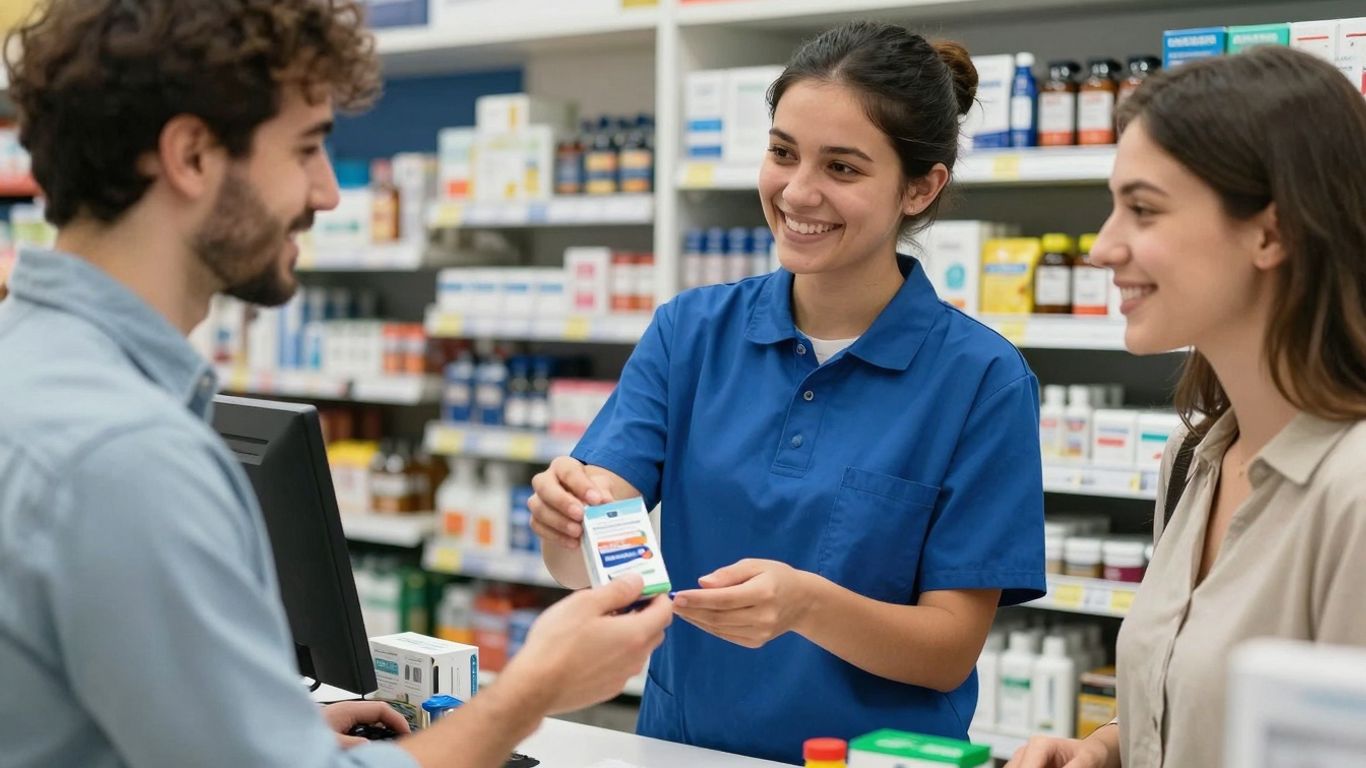
Upselling. It's a word that can make some sales teams a little nervous. You want to offer more value, sure, but the last thing anyone wants is to come across as pushy or, well, annoying. It's a tricky balance, and honestly, it's where most teams get it wrong. We're talking about Upselling Without Being Annoying: Where Most Teams Get It Wrong. Let's figure out how to do it right, so everyone wins.
Key Takeaways
- Upselling is really about helping customers get more value, not just making a quick buck. It’s about offering a better solution that fits their needs.
- Building trust is the bedrock of good upselling. If customers don't trust you, any offer feels like a trick.
- Bad timing is a killer. Don't try to upsell when a customer is already frustrated or hasn't seen the value of what they already bought.
- Make it personal. Generic offers fall flat. Show you understand what the customer actually needs and why the upgrade makes sense for them.
- Know when to stop. Pushing too hard turns a helpful suggestion into an annoying sales pitch.
Understanding The Core Of Upselling Without Being Annoying
Upselling, at its heart, isn't just about pushing a pricier product. It's about recognizing what a customer truly needs and offering them a better way to achieve their goals. Think of it as being a helpful guide, not a pushy salesperson. When done right, it makes the customer feel understood and looked after, which is a win-win for everyone involved. It’s about adding real value, not just padding your sales figures.
Upselling Is About Enhancing Value, Not Just Revenue
Forget the idea that upselling is solely about making more money. That’s a short-sighted view. The real goal is to provide a solution that genuinely improves the customer's experience or outcome. Maybe they came in looking for a basic model, but you know a slightly more advanced version will save them time or hassle down the line. That's not just selling more; that's selling smarter and helping your customer succeed. It’s about offering a better fit for their situation.
Building Trust As The Foundation For Upselling
No one likes feeling tricked or pressured. The absolute bedrock of any successful upselling effort is trust. If your customers believe you have their best interests at heart, they'll be far more open to your suggestions. This means being honest, transparent, and always focusing on the benefits for them. When you build that rapport, suggesting an upgrade feels like helpful advice, not a sales tactic. It’s about being a reliable resource for your customers, which is key for long-term relationships.
The Difference Between Upselling And Cross-Selling
It’s easy to mix these two up, but they’re distinct. Upselling means convincing a customer to buy a more expensive or upgraded version of what they’re already considering. For example, suggesting a larger storage capacity on a phone. Cross-selling, on the other hand, is about suggesting complementary items. Think recommending a case and screen protector with that phone. Both can increase the sale value, but upselling focuses on the better version of the primary item, while cross-selling adds related items.
Common Pitfalls That Undermine Upselling Efforts
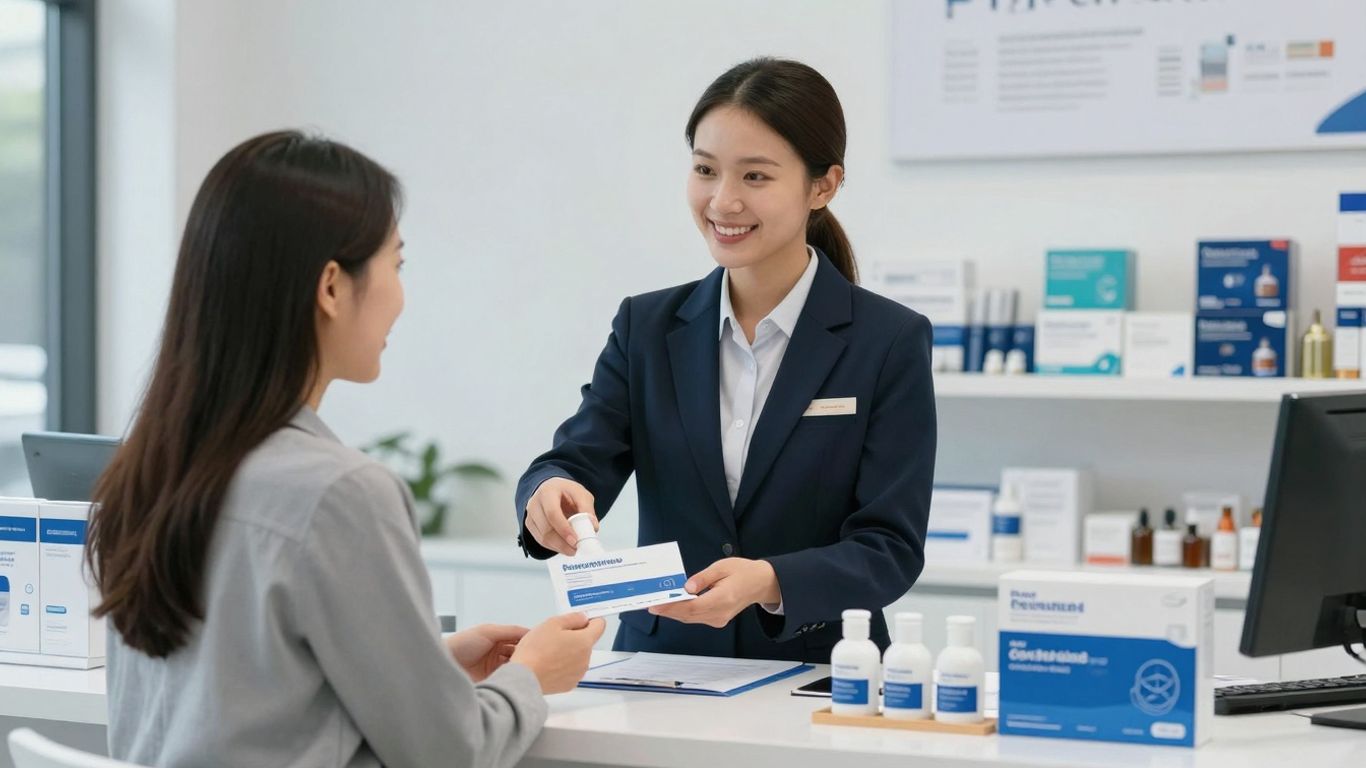
Trying to get customers to spend more can easily backfire if not handled with care. It’s like trying to add a new room to your house – if you don't plan it right, the whole thing can look a bit wonky. There are a few common mistakes that can really mess up your upselling game.
The Danger Of A Generic, Impersonal Approach
Sending out the same upsell message to everyone is a big no-no. It shows you haven't really paid attention to who they are or what they've bought before. Customers can spot a generic pitch from a mile away, and it just feels like you're trying to make a quick buck rather than genuinely help them. It’s way better to make them feel seen and understood.
Aggressive Tactics That Alienate Customers
Nobody likes feeling pressured. If your team is coming on too strong, constantly pushing for the upgrade, customers will start to feel cornered. This can lead to frustration and a feeling that you don't respect their decisions. It’s a fast track to losing their trust, and once that's gone, it's hard to get back.
Misjudging The Moment: Poor Upsell Timing
Timing is everything, right? Offering an upgrade when a customer is already struggling with the basic product, or right after they've made a purchase and are still figuring things out, is just awkward. They need to feel like they've gotten value from their initial purchase before you suggest they spend more. Think about it: would you ask someone to buy a bigger car right after they've just bought a new one, before they've even driven it off the lot?
Offering Irrelevant Products Or Services
This one's a bit like the generic approach, but more specific. If you suggest a product or service that clearly has nothing to do with what the customer is interested in or currently using, it makes you look out of touch. It suggests you don't really know their needs. For example, suggesting a premium accounting software to someone who just bought a simple graphic design tool doesn't make much sense.
Upselling should always feel like a natural next step, adding more value to what they already have or want. If it feels forced or out of left field, it's probably not going to work.
Here are some common mistakes to watch out for:
- Not knowing your customer: Failing to look at their purchase history or understand their current needs.
- Being too pushy: Using high-pressure sales tactics that make customers uncomfortable.
- Bad timing: Offering an upsell too early, too late, or at an inconvenient moment in their journey.
- Irrelevant suggestions: Proposing upgrades or add-ons that don't align with the customer's interests or previous purchases.
| Pitfall Category | Common Mistake |
|---|---|
| Approach | Generic, one-size-fits-all messaging |
| Sales Tactics | Aggressive, high-pressure closing |
| Timing | Offering before initial value is realized |
| Relevance | Suggesting products unrelated to customer's needs |
Strategies For Seamless Upselling
Upselling doesn't have to feel like a pushy sales tactic. When done right, it's about genuinely helping your customers get more out of what they're already buying. It's about making their experience better, not just adding more to their bill. Think of it as being a helpful guide rather than a salesperson trying to hit a quota.
Personalize Offers Based On Customer Needs
Forget the one-size-fits-all approach. The best upsells come from really knowing who you're talking to. Look at their past purchases, what they've shown interest in, or even what they're currently struggling with. If someone just bought a basic software package, and you know they've been asking about advanced reporting features, that's your cue. Offering them the premium version with those exact features makes perfect sense. It shows you've been listening and you're trying to solve a problem for them.
- Analyze purchase history: What have they bought before? What did they like?
- Review support tickets: Are they running into specific issues that a higher tier could solve?
- Consider their stated goals: What are they trying to achieve with your product or service?
Focus On Benefits, Not Just Features
Customers don't buy features; they buy solutions and outcomes. Instead of saying, "This plan includes 500GB of storage," try, "With this plan, you'll have plenty of space to store all your project files without worrying about running out, keeping your workflow smooth." Connect the upgrade directly to how it will make their life easier or their business better. What problem does this extra feature solve for them?
| Feature Upgrade | Benefit to Customer |
|---|---|
| Increased storage | Never worry about running out of space for important files |
| Priority support | Get help faster when you need it most |
| Advanced analytics | Gain deeper insights to make better business decisions |
Empower Customers To Upsell Themselves
Sometimes, the best way to upsell is to make it easy for customers to see the value themselves. Provide clear comparisons between different plans or versions. Maybe include a small, free trial of the premium feature for a limited time. If they can experience the added benefit firsthand, they're much more likely to see why it's worth the upgrade. Think about offering a "try before you buy" option for that next-level service.
Making the upgrade path obvious and easy to understand removes a lot of the friction. Customers should feel like they're discovering a better option, not being pushed into one.
Avoid Overselling And Know When To Stop
This is super important. Pushing too many options or trying to sell something that's clearly overkill for the customer's needs will backfire. It damages trust and can make them feel taken advantage of. If a customer seems hesitant or clearly only needs the basic option, respect that. It's better to have a happy customer with a basic plan than an annoyed one who feels pressured. Sometimes, the best upsell is no upsell at all, especially if it means preserving a good relationship.
Timing Is Everything: When To Introduce An Upsell
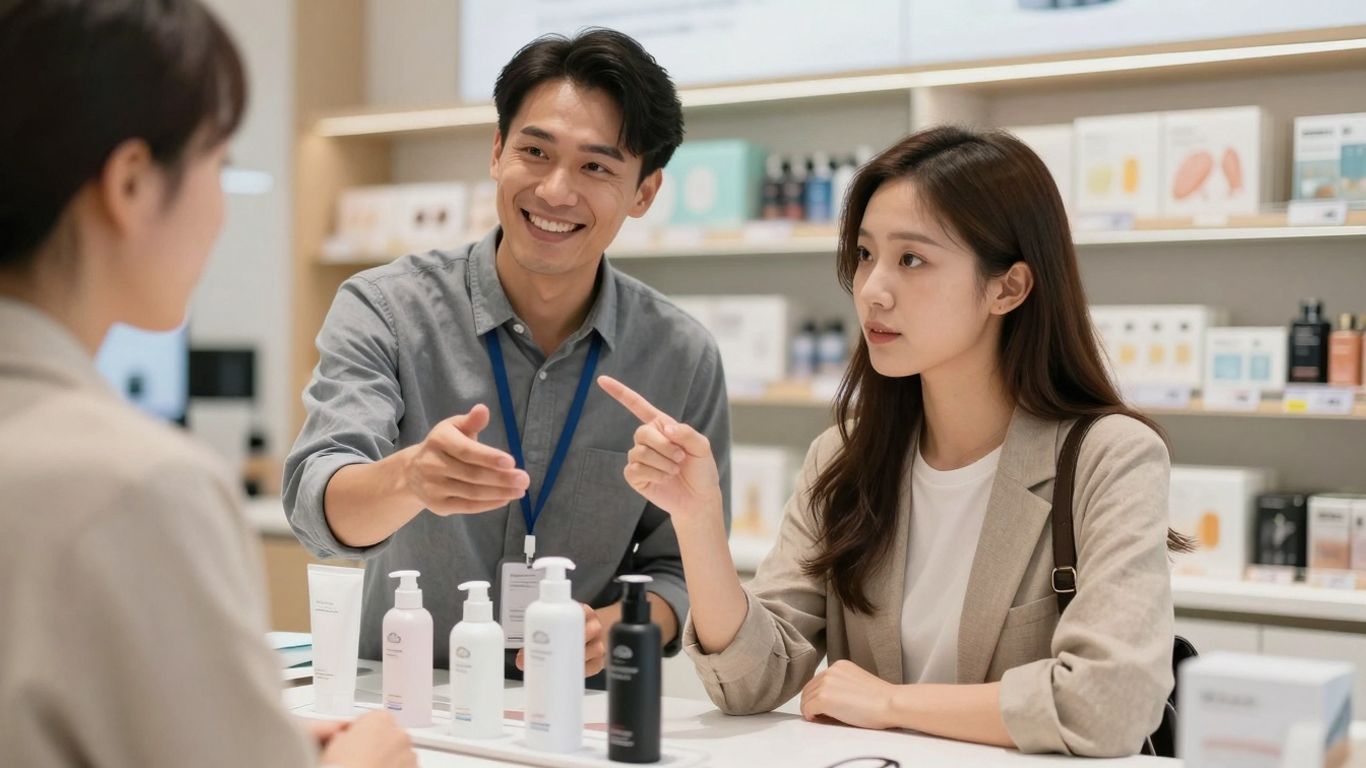
Knowing when to suggest an upgrade is just as important as knowing what to suggest. Pushing a better version of a product or service at the wrong moment can feel pushy and might even backfire. It's all about reading the situation and the customer's journey.
Leveraging Customer Success Milestones
Think about when your customer has just achieved something great with your product or service. Maybe they've hit a new sales target, successfully launched a project, or seen a significant improvement in their workflow thanks to what you provide. These moments are golden opportunities. They're feeling good about their investment, and they're more open to hearing how they can get even more value. It's like celebrating a win together and then saying, 'And you know what could make your next win even bigger?'
- Early Wins: After the first successful campaign or project completion.
- Growth Milestones: When a customer reports hitting a significant target (e.g., user growth, revenue increase).
- Feature Adoption: When a customer starts using a key feature effectively, showing they're engaged.
Identifying Opportunities During Renewals
Contract renewals are a natural checkpoint. Your customer is already thinking about their ongoing relationship with you and the value they've received. It's a perfect time to review their current usage and needs. Have their requirements changed since they first signed up? Are they hitting limitations with their current plan? This is less about a surprise sales pitch and more about a strategic conversation about their future needs and how your higher-tier options can better support them.
A renewal is a moment of reflection for the customer. They're assessing the past and planning for the future. Your upsell conversation should align with this forward-looking perspective, showing how your premium options will help them achieve their upcoming goals.
Responding To Customer Pain Points And Growth
Sometimes, the best upsell opportunities arise organically from conversations. If a customer mentions a new challenge they're facing, or a new area of growth they're exploring, see if your upgraded offerings can provide a solution. For example, if a small business customer is talking about hiring more staff, it might be the right time to discuss a plan that supports more users or offers advanced collaboration features. It shows you're listening and that you genuinely want to help them succeed as they evolve.
- New Challenges: Customer mentions a problem your current plan doesn't fully address.
- Expansion: Customer discusses plans for growth, new markets, or increased capacity.
- Efficiency Gaps: Customer expresses frustration with current processes that a more advanced solution could fix.
Optimizing Your Team For Effective Upselling
Getting your team on board with upselling without making customers feel pushed is a big deal. It's not just about telling them to offer more; it's about changing how they think about customer interactions. When your team sees upselling as a way to genuinely help customers get more value, everything changes.
Integrating Upselling Into Customer Service
Customer service is often the first and last point of contact a customer has with your company. This makes it a prime spot for upselling, but it needs to be done right. Instead of seeing service calls as just problem-solving sessions, train your team to listen for opportunities. Are customers mentioning a challenge that a slightly more advanced product could solve? Are they expressing a desire for more features that are available in a premium version? The goal is to weave these suggestions into the conversation naturally, as helpful advice rather than a sales pitch.
Here’s how to make it work:
- Active Listening Training: Teach your team to really hear what customers are saying, not just the words, but the underlying needs and frustrations.
- Problem-Solution Framing: Encourage them to think, "How can we solve this customer's problem even better?" This often leads to identifying a suitable upsell.
- Empathetic Approach: Remind them that their primary job is to help. Upselling should only come into play when it truly benefits the customer.
Training Your Team On Consultative Selling
Consultative selling is all about becoming a trusted advisor. Your team shouldn't just know your products inside and out; they need to understand your customers' businesses or personal goals. This means asking smart questions and really digging into what the customer is trying to achieve.
Think of it like this:
- Discovery Phase: Spend time understanding the customer's current situation, their goals, and any roadblocks they face.
- Solution Presentation: Based on that understanding, present options that not only meet their immediate need but also offer a path to greater success or satisfaction. This is where the upsell comes in – showing how a premium option can accelerate their progress.
- Objection Handling: Equip your team with ways to address concerns about price or complexity by focusing on the long-term benefits and return on investment.
When your team acts as a consultant, they build credibility. Customers are more likely to listen to recommendations from someone they trust, especially when those recommendations promise a better outcome.
Utilizing Tools For Pipeline Management
Even the best salespeople can miss opportunities if they don't have the right systems in place. Pipeline management tools can help track customer interactions, identify potential upsell moments, and ensure follow-up. This isn't about micromanaging; it's about providing visibility and structure.
Consider these points:
- Customer Journey Mapping: Use tools to visualize where a customer is in their buying process and what their next logical step might be.
- Automated Reminders: Set up alerts for key milestones, like contract renewals or periods when a customer might be ready for an upgrade based on usage patterns.
- Data Analysis: Regularly review sales data to see which upsell strategies are working best and where your team might need more support or training. This helps refine your approach over time.
Building Long-Term Loyalty Through Thoughtful Upselling
Upselling isn't just about making an extra buck; it's about making your customers feel like they're getting more bang for their buck. When done right, it actually makes them happier and more likely to stick around. It’s about showing them you get what they need and have something that can make their life or work even better.
The Importance Of Honesty And Transparency
Being upfront with your customers is non-negotiable. Nobody likes feeling tricked or pushed into something. When you suggest an upgrade or an add-on, be crystal clear about why it’s a good idea for them. Explain the benefits in plain language, focusing on how it solves a problem or improves their current situation. Think of it like recommending a better tool for a job you know they're working on. If you’re honest about what it does and how it helps, they’ll trust you more. This trust is the bedrock of any lasting relationship.
Using Incentives To Add Value, Not Cheapen Offers
Incentives can be great, but they need to feel like a genuine bonus, not a desperate sales tactic. Instead of just slapping a discount on something, think about how the incentive adds real value. Maybe it’s a limited-time offer on a feature that directly addresses a pain point they’ve mentioned, or perhaps it’s bundled with a service that makes the upgrade even more powerful. The goal is to make the upsell feel like a smart move for the customer, not just a way for you to make a sale. A well-thought-out incentive can make an upgrade feel like a reward.
Gathering And Acting On Customer Feedback
Your customers are constantly giving you clues about what works and what doesn’t. Pay attention to what they say, especially after you’ve made an upsell suggestion. Did they go for it? If so, how has it helped them? If not, why? Their feedback is gold. It tells you if your timing was right, if the offer made sense, and if your explanation was clear. Use this information to tweak your approach. Maybe you need to offer more context, or perhaps a different type of upgrade would be a better fit for certain customers. Listening and adapting shows you care about their experience, not just the transaction.
Upselling should always feel like a helpful suggestion that benefits the customer, not a pushy sales pitch. When customers feel genuinely supported and understood, they're far more likely to become loyal advocates for your brand.
Want to keep your customers coming back for more? Building strong customer loyalty is key. By offering helpful extras and suggestions that truly benefit them, you can create lasting relationships. Ready to see how smart upselling can boost your business? Visit our website today to learn more!
Wrapping It Up
So, we've talked a lot about how to upsell without making your customers want to run for the hills. It really comes down to being a good listener and genuinely trying to help people get more out of what they're already buying. Avoid the sneaky stuff, don't be too pushy, and always, always make sure what you're offering actually makes sense for them. When you focus on adding real value and building that trust, upselling stops feeling like a sales trick and starts feeling like a natural part of helping your customers succeed. Get it right, and you'll not only boost sales but also build a loyal following who actually appreciate what you do.
Frequently Asked Questions
What exactly is upselling?
Upselling is like suggesting a bigger size of fries with your burger. It's about offering a customer a better, more valuable version of something they're already thinking about buying. The goal is to give them something even better that fits their needs, not just to get more money.
How is upselling different from cross-selling?
Think of it this way: upselling is suggesting the deluxe burger instead of the regular one. Cross-selling is like suggesting fries and a drink to go with your burger. Upselling offers a better version of the same thing, while cross-selling suggests other, related items.
Why is building trust important for upselling?
Customers are more likely to listen to your suggestions if they trust you. If you've been honest and helpful before, they'll believe you're trying to help them find the best option, not just sell them something extra. Trust makes them feel comfortable saying 'yes'.
When is the best time to try upselling?
The best time is usually when the customer is already happy with what they have or when they're running into limits. For example, after they've had success with a basic service, or when they're about to need more storage. Pushing too early or too late can be annoying.
What are some common mistakes to avoid when upselling?
Don't be pushy or aggressive! Also, avoid offering things that don't make sense for the customer. Generic offers or bad timing can make people feel like you don't understand them. Always focus on what's best for them.
How can I make upselling feel less annoying for customers?
Focus on how the upgrade will help them. Instead of saying 'This costs more,' say 'This will save you time and give you better results.' Make it clear why it's a good idea for them. If they say no, that's okay too – don't push it.


Comments
Post a Comment