Automation Is Reshaping Customer Support Services: The Future of Client Interaction
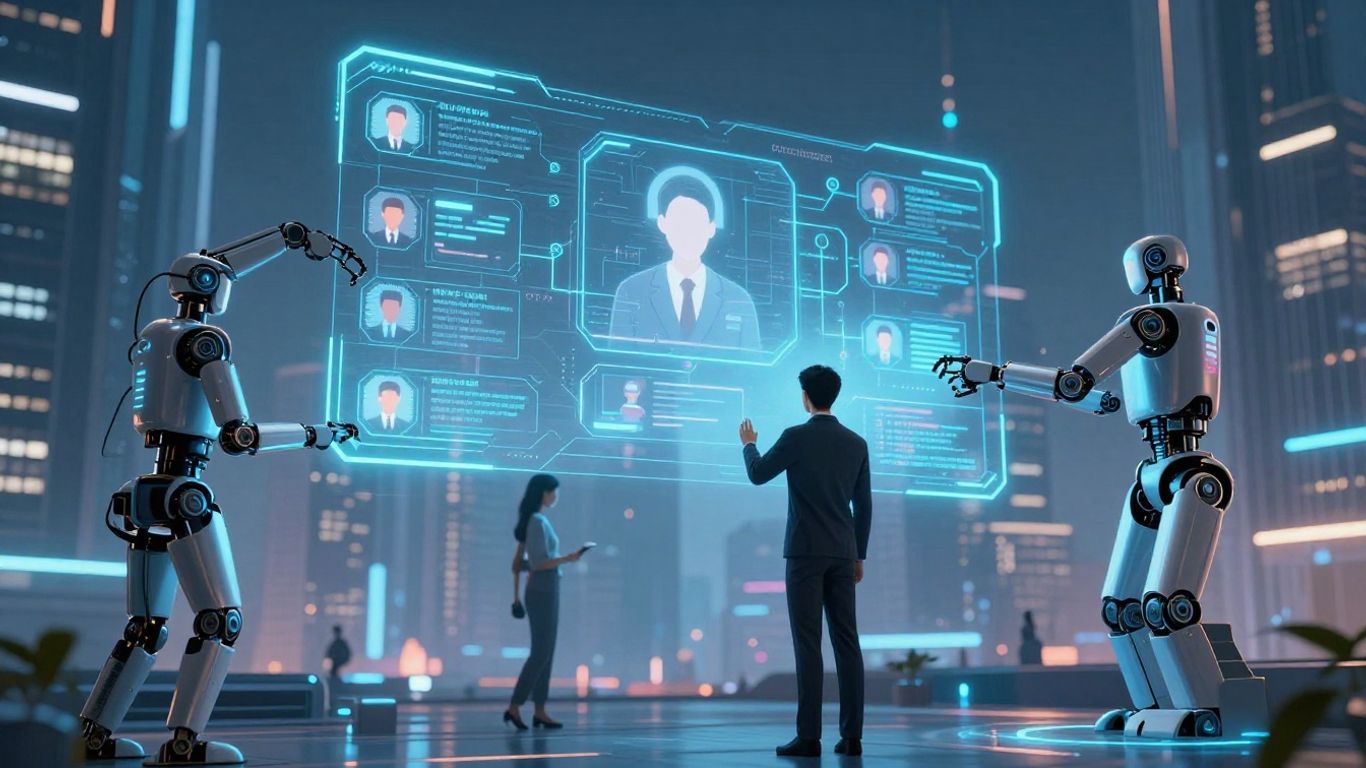
It feels like everywhere you look these days, something is getting automated. From ordering coffee to booking appointments, technology is stepping in to make things quicker. And customer service? It's right in the middle of this big change. Automation Is Reshaping Customer Support Services, and it's changing how companies talk to us and how we get help. This isn't just about making things faster, though. It's about making support smarter, more available, and frankly, a lot less frustrating. Let's take a look at how this shift is happening and what it means for everyone involved.
Key Takeaways
- Customer service automation uses smart tech like AI chatbots to handle customer questions and tasks, moving away from older, slower methods.
- Automation makes things run smoother and faster, giving customers quicker answers and support anytime, day or night.
- New tools like chatbots and agentic AI can handle more complex tasks and even have natural-sounding conversations, making support feel more personal.
- Support can now be more tailored to what each customer needs, reaching out proactively and working well across different ways to connect, like chat or email.
- While automation handles a lot, human agents are still important, focusing on tricky problems and using AI to help them do their jobs better, creating a team effort.
Understanding Automation Is Reshaping Customer Support Services

Defining Customer Service Automation
Customer service automation is all about using smart technology to handle how businesses talk to their customers. Think of it as moving away from just having people answer every single question and instead using tools that can do a lot of the heavy lifting. This isn't about replacing humans entirely, but about making things work better and faster. These systems can handle common questions, guide people through simple tasks, and generally speed up how support works. It's a big change from how things used to be done.
Addressing Traditional Support Challenges
For a long time, customer support has had some common headaches. You know the drill: long waits on hold, getting different answers from different people, and support teams getting swamped with the same basic questions over and over. This not only frustrates customers but also makes it tough for businesses to keep up. When things get busy, simple issues can take ages to sort out, and that's not great for anyone. Plus, all the manual work involved can lead to mistakes.
- Extended wait times during peak hours.
- Inconsistent quality of service.
- Overwhelmed support staff with repetitive tasks.
- Risk of errors due to manual processes.
The old way of doing things often meant customers had to jump through hoops. Waiting for a human to become available for a simple query, like checking an order status or asking about a return policy, felt like a waste of time. This created friction and often left customers feeling unheard or undervalued.
The Paradigm Shift in Customer Interaction
This move towards automation marks a significant shift in how companies interact with their clients. It's not just about fixing problems faster; it's about rethinking the entire customer journey. Instead of just reacting to issues, businesses can now be more proactive and offer support that feels more personal and efficient. This change helps turn those old support challenges into opportunities for growth and better customer relationships. It's about making interactions smoother and more effective for everyone involved.
Key Impacts Of Automation Is Reshaping Customer Support Services

So, what does all this automation stuff actually do for customer support? It’s not just about making things faster, though that’s a big part of it. Think about it like this: your support team can finally stop drowning in the same old questions and actually get to the trickier stuff. This shift means businesses can handle more customers without needing a massive team, and customers get help when they need it, not just during office hours.
Enhanced Efficiency and Productivity
This is probably the most obvious win. Automation takes over those repetitive, time-consuming tasks that used to bog down human agents. We’re talking about answering common questions, processing simple requests, or even guiding customers through basic troubleshooting. By offloading this work, your support staff is freed up to tackle the complex problems that really need a human touch. This doesn't just make the agents' jobs less tedious; it makes the whole operation run smoother and faster. It’s like clearing out the clutter so you can actually see what you’re working with.
- Automated systems handle routine inquiries instantly.
- Agents can focus on complex issues requiring critical thinking.
- Overall operational output sees a significant boost.
Accelerated Response Times
Nobody likes waiting on hold or staring at a blank chat window, right? Automation changes that game. Intelligent chatbots and virtual assistants can jump into action the moment a customer reaches out, providing immediate answers to frequently asked questions or directing them to the right place. This means customers get the information they need much quicker, leading to happier interactions. For businesses, this speed translates to better customer satisfaction and fewer dropped inquiries. It’s about meeting customers where they are, right when they need you.
The ability to provide instant responses to common queries significantly reduces customer frustration and improves their overall perception of the service. This speed is a major factor in customer retention.
24/7 Availability for Customers
Customer issues don’t stick to a 9-to-5 schedule, and neither should support. Automation makes round-the-clock assistance a reality. Whether it’s a late-night question about an order or an early-morning technical glitch, automated systems are always on. This constant availability is a huge plus for customers, especially those in different time zones or who simply prefer to handle things outside of traditional business hours. It shows you’re there for them, no matter when they need you. This kind of constant support can really build trust and loyalty over time [d555].
Here’s a quick look at the benefits:
- Always-on support: Customers can get help anytime, anywhere.
- Global reach: Supports customers across different time zones without extra staffing.
- Reduced wait times: Immediate assistance for common issues, day or night.
| Benefit Category | Impact | Example |
|---|---|---|
| Speed | Faster resolution | Chatbot answers FAQs instantly |
| Accessibility | Continuous service | Support available outside business hours |
| Resource Management | Optimized workload | Agents focus on complex cases |
This constant availability is a major step forward, allowing businesses to serve a wider audience more effectively and build stronger relationships with their customers [52e8].
Leveraging Advanced Technologies For Support
Intelligent Chatbots and Virtual Assistants
Chatbots have come a long way from just answering basic FAQs. Today's intelligent chatbots, powered by natural language processing (NLP), can understand customer intent, analyze sentiment, and even carry on pretty natural-sounding conversations. They're great for handling a large volume of common questions, freeing up human agents for more complex issues. Think of them as the first line of defense, available 24/7 to offer quick answers and guide customers through simple processes.
Agentic AI: Autonomous Problem Solvers
This is where things get really interesting. Agentic AI takes automation a step further. Instead of just responding, these systems can actually act. They can access information, make decisions, and perform tasks on behalf of the customer or the support team. For example, an agentic AI could automatically process a return request, update a customer's account information, or even troubleshoot a technical problem by following a set of predefined steps. This level of autonomy significantly speeds up resolution times and reduces the need for human intervention in many routine tasks.
Generative AI for Lifelike Conversations
Generative AI, like the kind that powers advanced language models, is changing the game for how AI communicates. It can create human-like text, making interactions feel much more personal and less robotic. This technology can be used to draft personalized email responses, summarize long customer conversations for agents, or even help create knowledge base articles. The goal is to make the AI interaction feel as close to talking with a person as possible, improving the overall customer experience.
Transforming The Customer Experience Through Automation
So, automation isn't just about making things faster behind the scenes; it's really changing how you, as a customer, actually feel when you interact with a company. Think about it – no more waiting on hold forever just to ask a simple question. Automation is making support more personal and, honestly, just plain easier.
Personalized Support and Proactive Outreach
Companies are starting to use all the data they collect to give you support that feels like it's just for you. Instead of a generic email, you might get a message about a product you just bought, offering tips or checking if everything's okay. It's like the company knows what you might need before you even ask. This proactive approach means problems can be sorted out before they even become big headaches. It’s a big change from just waiting for you to call with an issue.
Seamless Omnichannel Support
Remember when you had to explain your problem all over again if you switched from chat to phone? That's becoming a thing of the past. Automation helps connect all the different ways you can get in touch – like your phone, email, social media, or the company's app. So, if you start a conversation on the website and then need to call, the person you talk to already has all the details. It makes the whole process feel much smoother, no matter how you choose to connect.
Optimized Data and Analytics for Improvement
Every single interaction, whether it's with a bot or a person, creates data. Automation tools are getting really good at sifting through all that information. They can spot trends, figure out what customers are happy or unhappy about, and give companies a clear picture of what's working and what's not. This feedback loop is super important. It means companies can actually make their services better over time, based on what real people are experiencing. It's all about making things better for the next person who reaches out for help.
The goal here is to make customer interactions feel less like a chore and more like a helpful conversation. It's about using technology to understand individual needs and respond in a way that feels genuinely supportive and efficient, building a stronger connection between the customer and the brand.
The Evolving Role Of Human Agents
Empowering Agents with AI Tools
It might seem like automation is pushing human agents out, but it's actually changing their job for the better. Think of AI not as a replacement, but as a super-smart assistant. These tools can handle the simple, repetitive questions that used to eat up so much time. This means agents can spend less time on basic stuff and more time on the tricky problems that really need a human touch. AI can also give agents real-time info, like a customer's history or what others have tried before, right when they're talking to someone. This helps them answer questions faster and more accurately.
Focusing on Complex and Empathetic Interactions
With AI taking care of the routine, human agents are freed up to do what they do best. This includes handling complicated issues that require critical thinking and a good dose of empathy. Customers often reach out when they're frustrated or confused, and a human agent can provide that understanding and reassurance that an automated system just can't replicate. It's about using emotional intelligence to solve problems and build stronger customer relationships.
The Human + AI Partnership
This isn't about humans versus machines; it's about humans and machines working together. AI handles the data crunching and the quick answers, while humans bring the judgment, creativity, and emotional connection. This partnership means faster resolutions for customers and a more satisfying job for agents. It's a win-win situation that leads to better overall customer service.
Here's a look at how this partnership plays out:
- AI handles: Routine queries, data retrieval, initial troubleshooting steps.
- Humans handle: Complex problem-solving, de-escalation, building rapport, handling unique situations.
- Together they: Provide faster, more accurate, and more personalized support.
The goal isn't to automate every single customer interaction, but to use automation smartly. This frees up human agents to focus on the parts of the job where they add the most unique value, leading to happier customers and more engaged employees.
Challenges And Considerations For Automation
So, we've talked a lot about how cool automation is for customer support, right? It speeds things up, makes things available all the time, and generally makes life easier. But, like anything new, it's not all sunshine and rainbows. There are definitely some bumps in the road we need to think about before we go all-in.
Integration With Existing Systems
First off, getting this new tech to play nice with what you already have can be a real headache. Imagine trying to plug a brand-new gaming console into a TV from the 90s – it just doesn't always connect smoothly. Your current customer service software, your databases, all that stuff needs to talk to the new automation tools. If they don't, you end up with more problems than you started with. It's not just about buying the software; it's about making sure it fits into your existing setup without breaking everything else. This often means a lot of technical work behind the scenes, and sometimes, it's more complicated than companies initially expect.
Balancing Automation and Human Touch
This is a big one. While chatbots are great for simple questions, nobody wants to talk to a robot when they're really upset or have a super complicated issue. You've got to figure out where the line is. When does an automated response start feeling unhelpful or even annoying? Finding that sweet spot between quick, automated answers and having a real person step in is key to keeping customers happy. It means designing your systems so they know when to hand things over to a human agent. Think about it: if you're trying to sort out a billing error that's been going on for months, you probably want to talk to a person, not just get another automated email.
Data Privacy and Security Concerns
When you start using automation, especially AI, you're dealing with a lot of customer information. This isn't just names and addresses; it can be payment details, personal histories, and all sorts of sensitive stuff. Protecting that data is super important. You don't want to be the company that has a data breach because your new automation system wasn't secure enough. Plus, there are rules and regulations about how you can handle customer data, and you need to make sure your automation tools comply. It's a constant worry for businesses, and getting it wrong can really damage trust. You need to be sure that any outsourced support you use also adheres to strict data security standards.
Training and Adaptation Strategies
Finally, let's not forget the people who actually work there. Your customer service team needs to know how to use these new tools. It's not enough to just install them and expect everyone to magically know what to do. You need training programs, and not just a one-off session. People need ongoing support as the technology changes. Some employees might be really excited about using new tech, while others might feel a bit intimidated. Helping everyone adapt and see how these tools can actually make their jobs easier, not harder, is a big part of the puzzle. It's about making sure your team is ready for the future of technical support and can work alongside the new systems effectively.
Thinking about making things run smoother with automation? It's a smart move, but there are definitely things to watch out for. Making sure your team is ready and that the new tools fit well with how you already work are super important. Don't forget to plan for how you'll handle any problems that pop up. Want to learn more about making automation work for you? Visit our website today!
The Road Ahead
So, where does all this leave us? It's pretty clear that customer service isn't going back to the way it was. Automation, especially with AI stepping in, is changing the game. We're seeing faster responses, more personalized help, and even support that seems to know what we need before we do. While it's easy to worry about robots taking over, the real story seems to be about a partnership. AI handles the routine stuff, freeing up human agents to tackle the trickier problems where that human touch really counts. The companies that get this right, blending smart tech with good old-fashioned people skills, are the ones that will likely win over customers in the long run. It's an exciting, and maybe a little bit wild, time for how we connect with businesses.
Frequently Asked Questions
What exactly is customer service automation?
Customer service automation is like using smart computer programs to help customers instead of always needing a person. These programs can answer common questions, help you find things on a website, or even fix simple problems all by themselves. It makes getting help faster and easier.
How does automation make customer service better?
Automation helps in a few big ways. It means you don't have to wait as long to get help because the computer can answer right away. It also means help is available all day and all night, not just when people are working. Plus, it helps the company save time and money.
Will robots replace all customer service people?
Not really! Automation is great for simple or common questions. But for tricky problems or when you need someone to understand your feelings, real people are still super important. Automation helps people focus on those harder jobs.
What are chatbots and virtual assistants?
Chatbots and virtual assistants are like friendly computer helpers you can talk to. They use smart technology to understand what you're asking and give you answers or guide you. Think of them as super-smart helpers that live inside apps or websites.
Is my information safe when I use automated support?
Companies have to be very careful with your information. When they use automation, they also have to make sure they protect your privacy and keep your data secure, just like they would if a person was handling it. It's a top priority.
What is 'agentic AI'?
Agentic AI is a super-smart type of automation. Instead of just following instructions, it can figure out problems and solve them on its own, almost like a person would. It can handle more complicated tasks without needing a human to tell it every single step.


Comments
Post a Comment