Navigating the Future of Customer Retention: Strategies for Lasting Loyalty in 2026 and Beyond

Keeping customers around is a big deal these days, right? It's way cheaper than finding new ones. But with so many brands out there, shoppers are pickier. They'll try new things, but what makes them stick? It's not just about points anymore. We're talking about building real connections and making sure they feel understood. This guide looks at how to do just that for the Future of Customer Retention.
Key Takeaways
- Customers today want more than just discounts; they're looking for real value and emotional connections with brands. Think about what truly matters to them.
- Making things personal is key. Using data to offer tailored experiences, from product suggestions to communication, helps shoppers feel seen and appreciated.
- Rewards need to be more exciting than just points. Consider unique experiences, early access, or special gifts that create memorable moments.
- Make the whole buying process easy, from shipping to returns. Good communication after a purchase also builds trust and confidence.
- Your team on the front lines is super important. Make sure they know how to talk about your loyalty perks and connect them to customer interactions.
Evolving Customer Expectations in the Future of Customer Retention

Things are changing, and fast. What customers expect from brands today is way different than even a couple of years ago. It’s not just about getting a good product at a fair price anymore. People want more, and if you don't give it to them, they'll just go somewhere else. It’s a whole new ballgame out there.
The Shift From Transactional Loyalty to Relational Discipline
Remember when loyalty programs were just about collecting points for a discount? Yeah, those days are pretty much over. Customers aren't just looking for a quick reward; they're looking for a connection. Brands that focus on building real relationships, not just transactions, are the ones that will win. This means understanding who your customers are on a deeper level and treating them like individuals, not just numbers in a spreadsheet. It’s about creating a consistent, positive experience every time they interact with your brand, from the first click to long after they've made a purchase.
Understanding the Value-Driven Consumer
Today's consumers are smart shoppers. They do their homework, compare options, and really think about where their money is going. They want to know they're getting good value, and that value isn't just about the lowest price. It's about the quality of the product, the ease of the buying process, and how the brand makes them feel. If a brand can show it understands their needs and offers something that genuinely improves their lives, that's where the real value lies. It’s a tough market, and customers have a lot of choices.
Emotional Connection as a Loyalty Driver
This is a big one. Beyond just the practical benefits, customers want to feel something when they interact with a brand. They want to feel recognized, understood, and appreciated. Think about your favorite brands – chances are, you like them not just because of what they sell, but because of how they make you feel. Building this emotional bond is key. It’s about shared values, positive experiences, and making customers feel like they're part of something bigger than just a sale. This kind of connection is what turns a one-time buyer into a lifelong fan.
Customers today are looking for brands that align with their personal values and offer experiences that go beyond the transactional. They want to feel seen and heard, and that emotional connection is becoming just as important as the product itself.
Personalization: The Cornerstone of Modern Loyalty
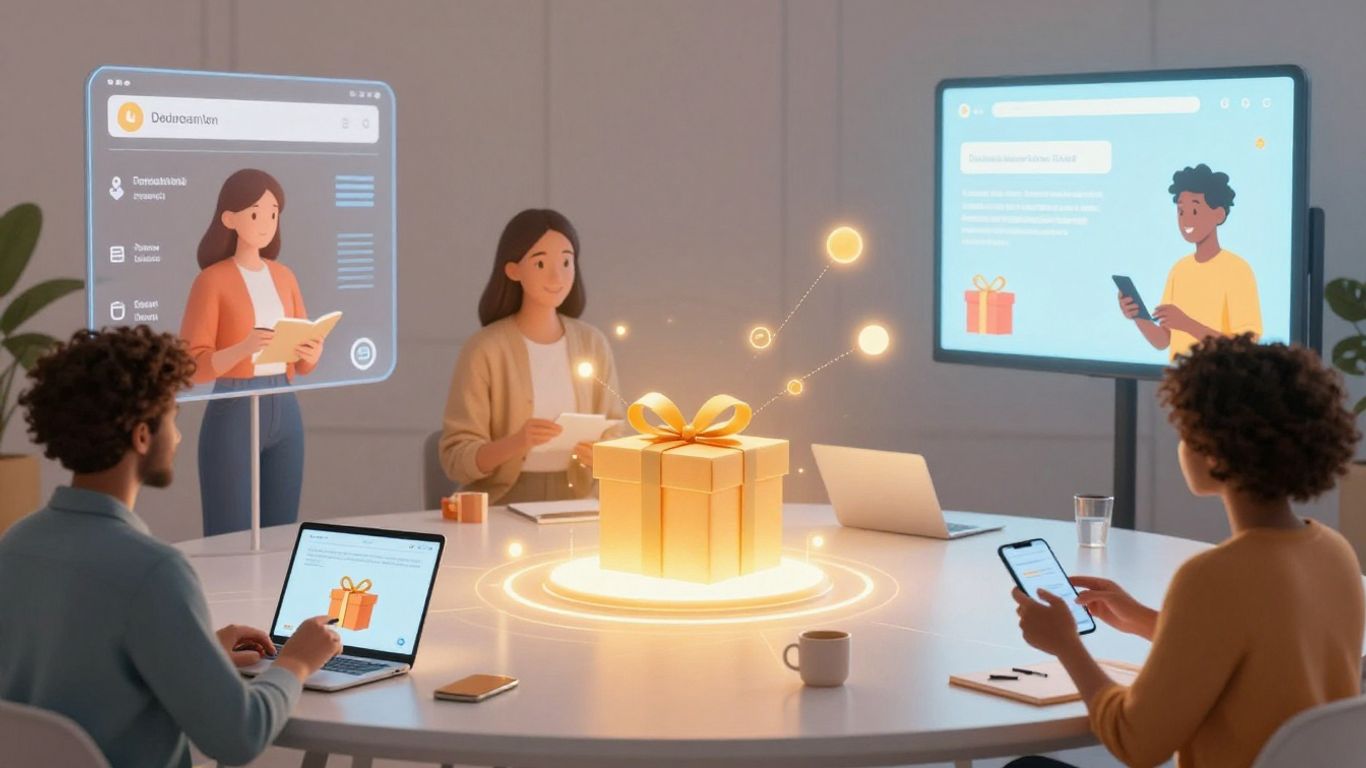
Personalization isn't just a buzzword anymore—it's the main thing that sets brands apart as we head into 2026. Customers expect experiences and offers made just for them, not generic communication. Personalization can mean different recommendations, tailored content, or perks that actually matter to the individual. Getting it right isn't always easy, but it’s quickly becoming the difference between losing a customer and earning their ongoing trust.
Leveraging Data for Tailored Customer Journeys
Brands today sit on huge piles of customer data. But having data isn’t enough; you have to actually use it in a smarter way. The idea is to connect every touchpoint—from web visits to emails—to build a full picture of each customer’s preferences and behaviors. Here’s what matters most when designing personalized journeys:
- Map out all customer touchpoints, not just the ones you control directly
- Analyze buying patterns, browsing history, and even feedback
- Segment your audience to make your outreach more specific
- Use simple tables or dashboards to track personalization progress, like this:
| Touchpoint | Personalization Level | Result Metric |
|---|---|---|
| Email Campaign | Product-based | Click Rate +5% |
| Mobile App | Behavior-driven | Retention +10% |
| Website Homepage | Dynamic greeting | Conversion +3% |
When companies really pay attention, customers feel more understood and are more likely to stick around. Even small acts of recognition can have a huge impact.
AI-Powered Personalization for Deeper Engagement
AI isn’t just a back-office tool anymore—it powers some of the most important parts of loyalty today. With AI, brands figure out what each customer will want next, anticipate when a person might leave, and automate offers based on real-time actions. Some ways it shows up:
- Personalized recommendations (like, “Hey Lisa, you usually buy this—want 10% off?”)
- Predictive alerts that offer a discount before a customer churns
- Chatbots that answer specific questions based on previous purchases
- Self-service support blended with live help for the best of both worlds (balancing self-service and live support)
It all comes down to using technology to make customers feel special rather than just a number in the queue.
Meeting Generational Demands for Tailored Experiences
Different generations want different things from brands. Research shows that younger people—especially Gen Z and millennials—are comfortable sharing more personal information if it means offers and perks that fit their interests. Meanwhile, older shoppers like Gen X or boomers tend to be more cautious. Here’s a quick breakdown:
- Gen Z: Loves hyper-personalized content, quick perks, interactive features
- Millennials: Likes tailored rewards, social integration, simplicity
- Gen X: Appreciates some personalization, but wants clear value
- Boomers: Prefer straightforward deals and transparency over personalization
This means your approach can’t be one-size-fits-all. Segment your loyalty programs so every group feels seen, not just the trendiest demographic.
Personalization is going to keep growing in importance. The brands that win in 2026—and after—will be the ones keeping it authentic, timely, and genuinely focused on customer needs.
Rethinking Rewards and Perks for Lasting Loyalty
Forget just handing out points for every purchase. That old way of thinking about rewards is pretty much over. Customers today want more than just a discount down the line. They're looking for things that feel special, things that make them feel seen and appreciated. It’s about creating genuine value that goes beyond simple transactions.
Beyond Points: Meaningful and Experiential Rewards
So, what does this look like in practice? Think about rewards that offer real experiences or exclusive access. Maybe it's early access to new products, invitations to special events, or even personalized gifts. These kinds of perks make customers feel like they're part of something exclusive, not just another number in a database. It’s about making them feel recognized for their commitment.
- Exclusive event invitations
- Early access to product launches
- Personalized gifts based on past behavior
- Behind-the-scenes content or experiences
The Power of Second-Purchase Incentives
Getting that first purchase is one thing, but keeping customers coming back is where the real magic happens. Incentivizing that second purchase can be a game-changer. It shows you value their continued business and encourages them to make that next step. This could be a special offer tied to their first purchase, or a bonus reward for completing a second transaction within a certain timeframe. It’s a clear signal that you want them to stick around.
Surprise and Delight: Creating Memorable Moments
Sometimes, the most impactful rewards aren't planned. A little unexpected kindness can go a long way. Think about sending a small, thoughtful gift to a long-time customer, or offering a free upgrade just because. These moments of surprise and delight create positive emotional connections that customers remember long after the transaction is over. It’s these little things that build true loyalty.
Customers are increasingly looking for brands that understand their individual needs and preferences. Generic rewards programs are losing their appeal. The future lies in personalized incentives that acknowledge customer history and anticipate future desires, making them feel truly valued and understood.
Optimizing the Customer Journey for Retention
Think about the last time you bought something online. Was it easy? Did you know what to expect next? Making the whole process smooth from start to finish is a big deal for keeping customers coming back. It's not just about the product itself; it's about how they feel dealing with your brand every step of the way.
Streamlining Shipping and Returns for Frictionless Experiences
Let's be real, waiting for a package can be a drag. And if something isn't right, dealing with returns shouldn't feel like a chore. Clear, fast shipping and easy returns are non-negotiable. Customers expect to know when their order will arrive and how to send something back without a hassle. If it's complicated, they'll just go somewhere else next time. Think about offering a few shipping options, maybe even free returns for a certain period. It shows you care about their experience even after they've paid.
Post-Purchase Engagement to Build Confidence
So, they got the item. Now what? This is where you can really shine. Sending a quick
Empowering Frontline Teams in Customer Retention
Think about it: who's really on the front lines of your customer relationships? It's your support staff, your sales associates, the folks answering the phones or chatting online. They're the ones customers interact with most, and frankly, they hold a lot of sway when it comes to whether someone sticks around or heads for the exit. Making sure these teams are well-equipped and informed is no longer just a nice-to-have; it's a core part of any solid retention plan.
Equipping Staff to Communicate Loyalty Value
It's not enough for your team to just know that a loyalty program exists. They need to get it. This means understanding how the program actually works, why it's beneficial for the customer, and how to talk about it naturally during conversations. Imagine a customer asking about a discount – can your team member explain how their loyalty status unlocks that perk, or do they just say "I don't know"? Training should cover the program's mechanics, its advantages, and how it ties into the overall customer experience. This helps turn everyday interactions into opportunities to reinforce why staying with your brand is a smart move.
Integrating Loyalty into Key Customer Interactions
Loyalty shouldn't be a separate, siloed thing. It needs to be woven into the fabric of how your team interacts with customers. This means looking at every touchpoint:
- Onboarding: Show new customers the value of joining your loyalty program right from the start.
- Support Calls: When a customer has an issue, can your team offer a loyalty-related solution or acknowledge their status?
- Sales Pitches: Highlight how loyalty benefits can add even more value to a potential purchase.
- Follow-ups: Use loyalty status to personalize post-purchase communication.
When loyalty is part of the workflow, it feels more authentic and less like a tacked-on sales pitch. It becomes a natural extension of good service. This approach helps turn customer support into a growth engine, as agents can proactively build stronger connections [abec].
The Role of Technology in Frontline Enablement
Technology plays a big part in making all of this happen smoothly. Unified platforms can give your frontline staff a complete view of the customer, including their loyalty status, past interactions, and preferences. This allows for more personalized conversations and quicker problem-solving. Think about systems that can flag a customer's loyalty tier when they call, or suggest relevant loyalty perks during a checkout process. This kind of tech support means your team can focus on connecting with the customer, rather than digging through multiple systems for information. It helps agents become relationship builders, not just issue resolvers [8874].
The goal is to make it easy for your frontline team to be the face of your loyalty efforts. When they have the knowledge, the tools, and the integration, they can consistently show customers why their continued business is appreciated and rewarded.
Building a Unified Strategy for Sustainable Growth
Look, keeping customers around isn't just a nice-to-have anymore; it's how businesses actually make money and grow. It's way cheaper to keep someone who already likes you than to find a whole new person. But here's the thing: sales, marketing, and customer support teams often work in their own little worlds. That's a problem. For real growth, these groups need to be on the same page, working together. When everyone's aligned, you can actually turn happy customers into people who tell their friends about you.
Aligning Sales, Marketing, and Customer Success
Think of it like a sports team. You wouldn't have the offense and defense playing completely different games, right? Same idea here. Marketing brings people in, sales closes the deal, and customer success makes sure they're happy long-term. If these departments aren't talking to each other, customers get bounced around, get mixed messages, or fall through the cracks. That's a fast track to losing them.
- Shared Goals: Everyone needs to understand that keeping customers happy is a win for all departments, not just one.
- Consistent Messaging: What marketing promises should be what sales delivers, and what customer success supports.
- Data Sharing: Information about customer issues, feedback, or potential upsells needs to flow freely between teams.
Turning Customers into Brand Advocates
When you've got a customer who's not just buying but actively recommending you, that's gold. These folks are your best salespeople. They've experienced the good stuff and are willing to vouch for you. How do you get there? By consistently providing a great experience, listening to their needs, and making them feel like they're part of something.
Building a community around your brand, where customers can connect with each other and with you, can create a powerful sense of belonging. This emotional tie-in goes way beyond just the product itself.
The Imperative of Customer Retention for Profitability
Let's get down to brass tacks: keeping customers is good for the bottom line. It's not just about feeling good; it's about making more money with less effort. Acquiring new customers costs a lot more than keeping existing ones. Plus, loyal customers tend to spend more over time and are often more forgiving if a small hiccup happens.
Here's a quick look at why it matters:
| Metric | Cost of Acquisition | Profit Increase (5% Retention Boost) |
|---|---|---|
| New Customer Acquisition | 5-7x more expensive | 25-95% |
| Existing Customer | Significantly less | N/A |
Focusing on retention means you can put more resources into making your product better and improving your overall reputation, which then helps attract even more customers. It's a positive cycle.
Want to grow your business in a smart way? We help companies get better at making customers happy and keeping them around. Our methods have been shown to boost customer satisfaction and sales. Ready to see how we can help you succeed? Visit our website today to learn more!
Looking Ahead: Building Loyalty That Lasts
So, what's the big picture here? It's pretty clear that keeping customers around in 2026 and beyond isn't just about handing out points or discounts anymore. People are looking for more. They want to feel like you actually get them, offering things that feel right for them personally, not just a generic deal. This means paying attention to what they actually need after they buy, making sure shipping and returns aren't a headache, and really showing them the value you bring. It’s about building a connection, not just a transaction. By focusing on these real, human connections and making things easy and valuable, brands can build that lasting loyalty that really matters.
Frequently Asked Questions
Why is it important for businesses to keep customers coming back?
Keeping customers is super important because it's way cheaper than finding new ones. Plus, happy customers who stick around often tell their friends about your brand and buy more stuff, which helps your business grow a lot.
What do customers want from brands today besides just good deals?
Today, customers want more than just discounts. They want brands to really get them. This means feeling understood, getting special treatment, and having a real connection with the brand. It's about feeling special, not just getting a bargain.
How can brands make their rewards programs better?
Instead of just giving points, brands can offer cool experiences, early access to new things, or surprise gifts. These kinds of rewards make customers feel more valued and create special memories, making them want to stay loyal.
What's the best way to make customers feel special?
Using information about what customers like and how they shop helps brands create personalized experiences. This means showing them products they'll actually want and sending messages that feel like they're just for them, not generic ads.
How do employees help keep customers loyal?
The people who work directly with customers, like cashiers or support staff, are really important. If they understand the brand's loyalty offers and can explain them well, they can make customers feel more valued and encourage them to keep coming back.
What's the most important thing for a brand to do to keep customers loyal for a long time?
The key is to build real relationships. This means consistently giving customers what they need, making them feel understood and appreciated, and creating special moments. It’s about being a brand they trust and feel good about supporting.


Comments
Post a Comment